 PlaySpectrum

Precision Timing Quest stands out for its focused, stress-free design. The single-action mechanic is surprisingly deep, as each level requires a fresh strategy. The gradual difficulty curve and clear feedback make learning enjoyable. It is an excellent choice for players who want a mental challenge without pressure.
At its heart, Precision Timing Quest revolves around a simple yet satisfying mechanic: one attempt per level to place your marker exactly where it needs to go. There are no second chances within a round, so each move requires full attention. Players study the environment, note the position of obstacles or moving elements, and then decide when to release their action. The feedback after each attempt is immediate and clear, allowing players to adjust their approach for the next try. This loop of observe, plan, and act creates a rhythm that feels both meditative and rewarding.
Each level presents a distinct spatial puzzle. Some stages feature stationary targets that require precise alignment from a distance, while others introduce gentle movement that forces players to predict a path. The difficulty curve is gradual, starting with straightforward placements and evolving into scenarios that demand more careful timing. The game avoids arbitrary complexity; instead, it focuses on refining the core skill of patience. Players never feel rushed, as there is no timer or pressure to act quickly. The design encourages taking a breath and thinking before moving.
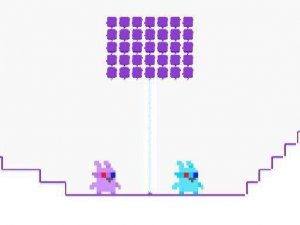
The visual style supports the gameplay by keeping the screen uncluttered. The target area is clearly highlighted, and any moving parts follow predictable patterns that can be learned through observation. A subtle zoom feature helps players inspect fine details without overwhelming the screen. Color coding and simple icons indicate when conditions are favorable for an attempt. This clarity reduces guesswork and lets players concentrate on the strategic decision of when to act. The overall aesthetic is clean and friendly, suitable for all ages.
Progress through the levels is marked by a gradual increase in the complexity of the spatial relationships. Early levels teach basic alignment, while later ones require coordinating with multiple moving elements or accounting for environmental factors like wind or shifting platforms. There is no penalty for failure beyond restarting the level, which lowers frustration and encourages experimentation. The satisfaction comes from finally landing the perfect shot after several attempts of refining one's understanding of the level's rhythm. This progression feels earned and keeps players engaged without stress.










Player Comments
Sign in to comment
You must be logged in before posting a review or rating.
No account? Create one
No comments yet. Be the first to comment!