 PlaySpectrum
PlaySpectrum
PlaySpectrum

Treasure Dash Puzzle Quest succeeds by focusing on a single, well-executed mechanic. The gradual difficulty increase ensures that newcomers can learn at their own pace while veterans find consistent challenge. Visual clarity and responsive controls reduce frustration, making each failure a learning opportunity rather than a setback. The treasure collection adds a satisfying layer of risk-reward decision making. For a family-friendly game that respects the player's time and offers genuine skill progression, this title stands out in its genre.
Treasure Dash Puzzle Quest revolves around a straightforward yet demanding objective: survive while collecting valuables. Players control a character that moves left and right across the screen. Hazards appear both on the ground and from above, requiring constant attention. Each successful collection adds to a running tally, and the session continues until an obstacle is hit. This loop encourages repeated attempts to improve both survival time and treasure count.
The challenge ramps up naturally as play continues. Early stages introduce basic hazards at a manageable pace, allowing newcomers to learn movement patterns. Over time, the frequency and variety of obstacles increase. Falling items may come from multiple angles, and ground traps become more densely placed. This gradual escalation keeps experienced players engaged while remaining accessible to beginners. There are no explicit levels; instead, the difficulty adjusts based on how long a player survives.
The game presents a cheerful, colorful world that appeals to all age groups. Bright backgrounds and animated treasure items create a positive visual tone. Character sprites are simple but expressive, and obstacle designs are clear enough to read at a glance. The overall aesthetic supports the family-friendly nature of the experience, making it suitable for shared play sessions or solo practice.
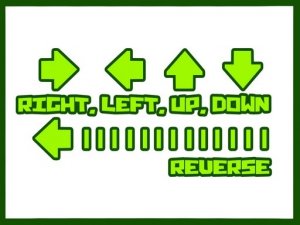
Input methods are kept minimal to ensure broad accessibility. Players can use keyboard arrows or touch screen swipes to direct movement. There are no complex combos or button sequences to memorize. This simplicity allows players to focus entirely on timing and positioning. The responsive controls mean that mistakes are attributed to player error rather than unresponsive input, which supports fair and satisfying gameplay.
Each attempt in Treasure Dash Puzzle Quest typically lasts from a few seconds to a couple of minutes, depending on player skill. This short session length makes the game ideal for quick breaks or longer play sessions when chasing high scores. The primary motivation to return comes from beating personal bests and refining strategies. Since no two runs are identical due to randomized obstacle patterns, the experience remains fresh over many plays.











Player Comments
Sign in to comment
You must be logged in before posting a review or rating.
No account? Create one
No comments yet. Be the first to comment!