 PlaySpectrum
PlaySpectrum
PlaySpectrum
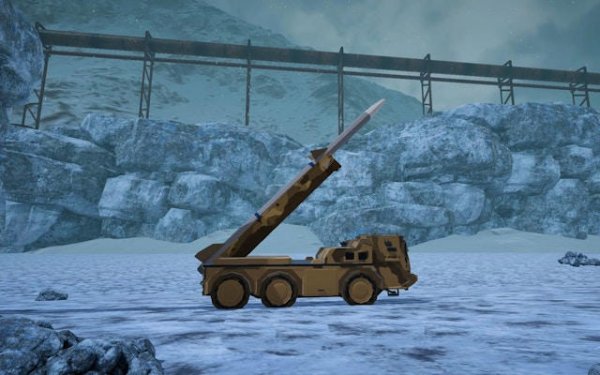
Aerial Dash: Reflex Runner succeeds by keeping its core loop simple and polished. The controls feel immediate, and each course offers a fair but escalating challenge. Learning the patterns of moving barriers and timing power-up collection adds a welcome layer of strategy. The clean visuals and energetic soundtrack complement the fast-paced action without becoming distracting. For players seeking a focused reflex test with clear progression, this is a solid choice that respects the player's time and skill.
Aerial Dash: Reflex Runner centers on guiding a small, responsive aircraft through a series of ever-shifting corridors. The controls are deliberately simple, allowing players to focus on the moment-to-moment decisions of steering left, right, up, or down. This straightforward input method lowers the barrier to entry, letting newcomers feel competent quickly while still demanding precision from experienced players. The challenge lies not in complex button combinations but in reading the environment and reacting instantly.
Each stage presents a unique arrangement of moving walls, rotating gates, and timed passages. These elements are not random; they follow patterns that players can learn and anticipate. Early courses introduce a single moving barrier, while later stages combine multiple obstacles that shift at different speeds and directions. This gradual increase in complexity keeps the experience fresh and encourages repeated attempts to master each layout. The visual feedback, such as color changes or subtle screen shakes, helps players understand when they barely clear an obstacle or when a collision is imminent.
Scattered along the path are special items that provide temporary advantages. A speed boost increases velocity for a short period, useful for clearing long straight sections or slipping through gaps that close quickly. A protective barrier allows the aircraft to survive one minor collision without restarting the run. These power-ups are placed strategically, often in positions that require a slight detour or precise timing to collect. Deciding whether to grab them or stay on the optimal path adds a layer of strategic thinking to the reflex-based gameplay.
After completing a course, players receive a time and score based on their performance. The game encourages revisiting earlier stages to improve these metrics, as faster times unlock new levels or cosmetic options. There is no penalty for failure; each attempt resets quickly, keeping the pace brisk. This structure suits short play sessions, where players can attempt a few runs during a break, as well as longer sessions focused on perfecting a single difficult course. The lack of a lives system removes frustration and keeps the focus on skill improvement.
The presentation uses clean, geometric visuals with a bright color palette. Obstacles are clearly distinguished from safe paths through contrasting colors and subtle glow effects. The audio consists of a driving electronic soundtrack that intensifies as the player nears the end of a course, along with crisp sound effects for successful maneuvers and collisions. This combination creates an immersive feedback loop that makes each successful run feel satisfying and each mistake clear.







Player Comments
Sign in to comment
You must be logged in before posting a review or rating.
No account? Create one
No comments yet. Be the first to comment!